E bike charger guide: safe charging at home and work, and what it costs in NZ
How to use an e-bike charger safely: why only the manufacturer's charger will do, charging habits that protect the battery, Fire and Emergency NZ guidance, what a full charge costs at August 2026 power prices, and what to do about travel and replacement chargers.
Flux Motors team8 min read
Your e bike charger matters more than most people think. It controls how your lithium-ion battery is filled, how long the battery lasts, and how safely the whole thing runs in your hallway or garage. Use only the charger made for your battery, charge where you can see it, and keep it away from anything that burns.
Done that way, charging is cheap and low-risk. A full charge of a 624Wh battery costs roughly 30 cents at current New Zealand power prices.
The short answer
Use only the manufacturer's charger for your e-bike battery. Fire and Emergency NZ stresses charging lithium-ion batteries with the charger they're designed to work with. Charge on a hard, non-flammable surface away from exits and soft furnishings, with a working smoke alarm nearby, and unplug when it's done. At the August 2026 national average of 42.1 cents per kWh, filling a 624Wh battery costs about 26 cents of energy, or about 30 cents allowing for charging losses.
Types of e-bike chargers
Most e-bikes come with an external "brick" charger. It plugs into a standard wall socket and connects either to the battery on the bike or to the battery once removed. Beyond that, chargers differ in ways that matter:
- Standard chargers supplied with the bike, matched to the battery's voltage, chemistry and connector.
- Fast or high-output chargers some brands offer as an accessory. They push more current, and they're only safe if the manufacturer approves them for your battery.
- Compact or travel chargers, which are smaller and lighter but usually slower.
- Generic or "universal" chargers sold online. They may claim to fit many bikes, but they don't know your battery's charge profile.
The voltage, connector and charge profile have to match your battery exactly. A charger that fits the plug isn't necessarily a charger that's safe for the battery.
Why only the manufacturer's charger
A lithium-ion battery pack has a battery management system (BMS) designed to work with a particular charger. The charger and BMS together control voltage, current and when charging stops. Use the wrong charger and you risk overcharging, overheating or damage to the cells, which can show up weeks later rather than straight away.
Fire and Emergency NZ's lithium-ion battery campaign put it plainly. People should charge batteries with the charger they're designed to work with, because charged incorrectly, these batteries can overheat and cause a violent fire in seconds. Fire and Emergency's earlier safety advice also warns against damaged or modified chargers, including overseas chargers fitted with a New Zealand plug.
If you lose or damage your charger, get a replacement from the bike's manufacturer or an authorised source. Don't settle for something that "seems to fit".
Fire safety: Fire and Emergency NZ guidance
The list below starts from Fire and Emergency NZ's guidance and adds good general practice. See Fire and Emergency's lithium-ion battery safety page for its current wording. Here's how to charge safely at home:
- Use the right charger, the one supplied for your battery.
- Charge on a hard, non-flammable surface, never on a bed, couch or carpet pile, and away from curtains, cardboard and clutter.
- Don't charge where a fire would block your way out, such as hallways, stairwells or right beside the front door.
- Have working smoke alarms where you charge and store batteries, including the garage.
- Don't leave it charging for long periods or overnight unattended. Unplug when it's full.
- Stop if something's wrong. If the battery or charger is unusually hot, smells, swells or hisses, stop charging if it's safe to do so.
- Get out and call 111 if a battery starts smoking or catches fire. Lithium-ion fires can grow very quickly.
- Don't use damaged batteries. A battery that's been dropped, crushed or soaked needs checking before it goes back on charge.
- Recycle old batteries properly. Never put them in household rubbish.
WorkSafe's energy safety team also publishes guidance on the safe use of lithium-ion batteries and battery products.
Charging habits that look after the battery
- Charge at room temperature. After a cold winter ride, let the battery warm up indoors before charging. Avoid charging in direct sun or a hot car.
- Don't run it flat every time. Lithium-ion batteries are happiest when they aren't routinely drained to empty.
- Store part-charged. If the bike will sit for weeks, store the battery part-charged in a cool, dry place and top it up occasionally. Check the manufacturer's advice for your battery.
- Keep connectors clean and dry. Wipe off grit and water before plugging in, especially after a wet ride.
- Inspect the charger. Look for frayed cables, cracked cases or loose plugs, and replace damaged chargers with genuine parts.
Our e-bike battery guide goes deeper on battery care and lifespan.
What it costs to charge an e-bike in NZ
Here's a worked example using a 624Wh battery, the capacity of Gurkha's lithium-ion pack, and MBIE's Quarterly Survey of Domestic Electricity Prices at 15 August 2026. MBIE's figures include GST and are based on a modelled household using about 8,000 kWh a year. Your own tariff will differ.
Charging isn't 100% efficient. Some energy is lost as heat in the charger and battery, so the second cost column adds an assumed 15% allowance. That's a general rule of thumb, not a measured Gurkha figure.
| Location | Price per kWh (incl. GST) | Energy to fill 624Wh | With 15% loss allowance |
|---|---|---|---|
| New Zealand average | 42.10c | 26.3c | 30.2c |
| Auckland Central | 41.30c | 25.8c | 29.6c |
| Christchurch | 38.61c | 24.1c | 27.7c |
| Wellington City | 37.20c | 23.2c | 26.7c |
Cost per 100 km
Cost per kilometre depends on how much energy your e-bike uses. That varies with rider weight, hills, wind, tyre pressure and assist level. Flux hasn't published Gurkha's range or consumption, and will confirm full specifications before launch. The table below uses three illustrative consumption levels measured at the wall, at the national average price:
| Assumed consumption | Energy per 100 km | Cost per 100 km at 42.1c/kWh |
|---|---|---|
| 10 Wh/km | 1.0 kWh | 42c |
| 15 Wh/km | 1.5 kWh | 63c |
| 20 Wh/km | 2.0 kWh | 84c |
For comparison, Gen Less gives the average one-way car trip to work in NZ as 10.7 km. Even at the heaviest assumed use, a year of commuting that distance costs well under $50 in electricity. Our electric commuter bike guide sets that against fuel, bus fares and the full cost of running a car.
Charging at work
If you need to top up at work, take your e bike charger with you and:
- Ask first. Many workplaces have rules about charging personal devices, and some require portable electrical equipment to be tested and tagged.
- Use the same manufacturer's charger you use at home, not a borrowed one.
- Charge somewhere visible and well ventilated, on a hard surface, not under a desk among paper or bags or in a locked cupboard.
- Unplug when you're done, and don't leave it charging overnight at an empty office.
Travel and replacement chargers
Heading away for a weekend? Pack the charger in a padded bag, check the cable and plug before you leave, and follow the same safety habits in a bach or motel as at home. On public transport, follow the operator's rules. Auckland ferries, for example, require e-bikes to stay on the back deck, and charging on board isn't something you should plan on. Our e-bike Auckland guide has the details.
If you want a second e bike charger for work or the bach, buy the same genuine charger from the manufacturer rather than a lookalike.
Charging Gurkha
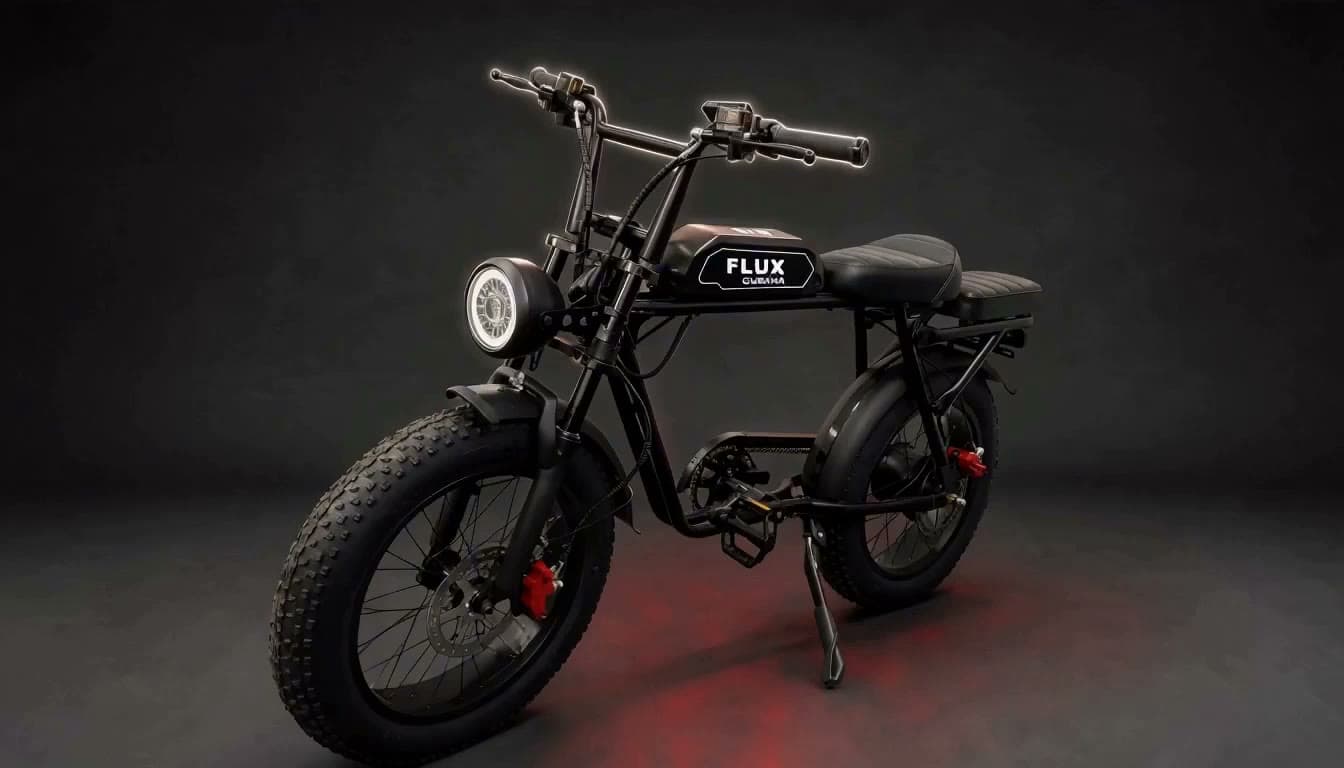
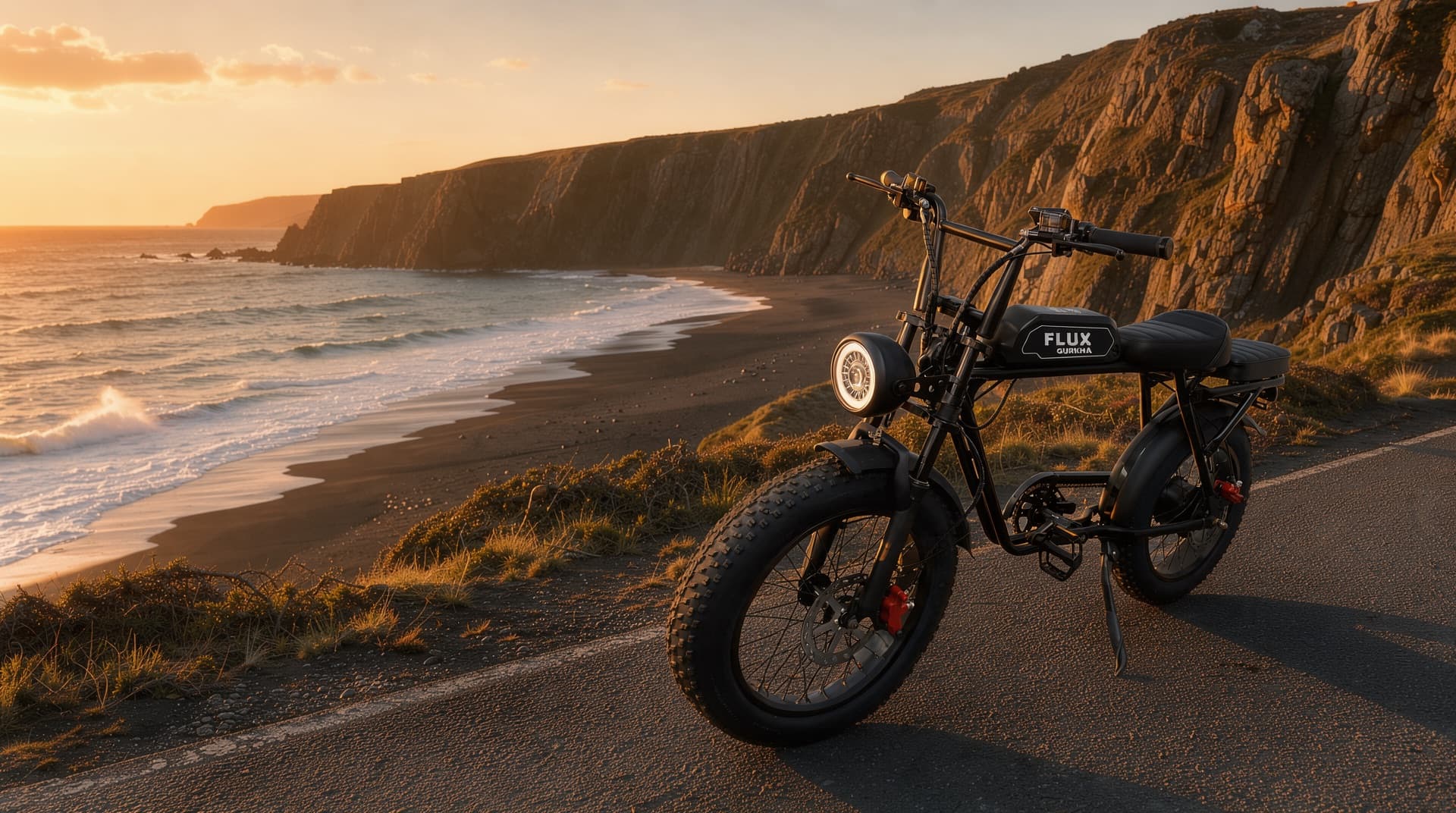
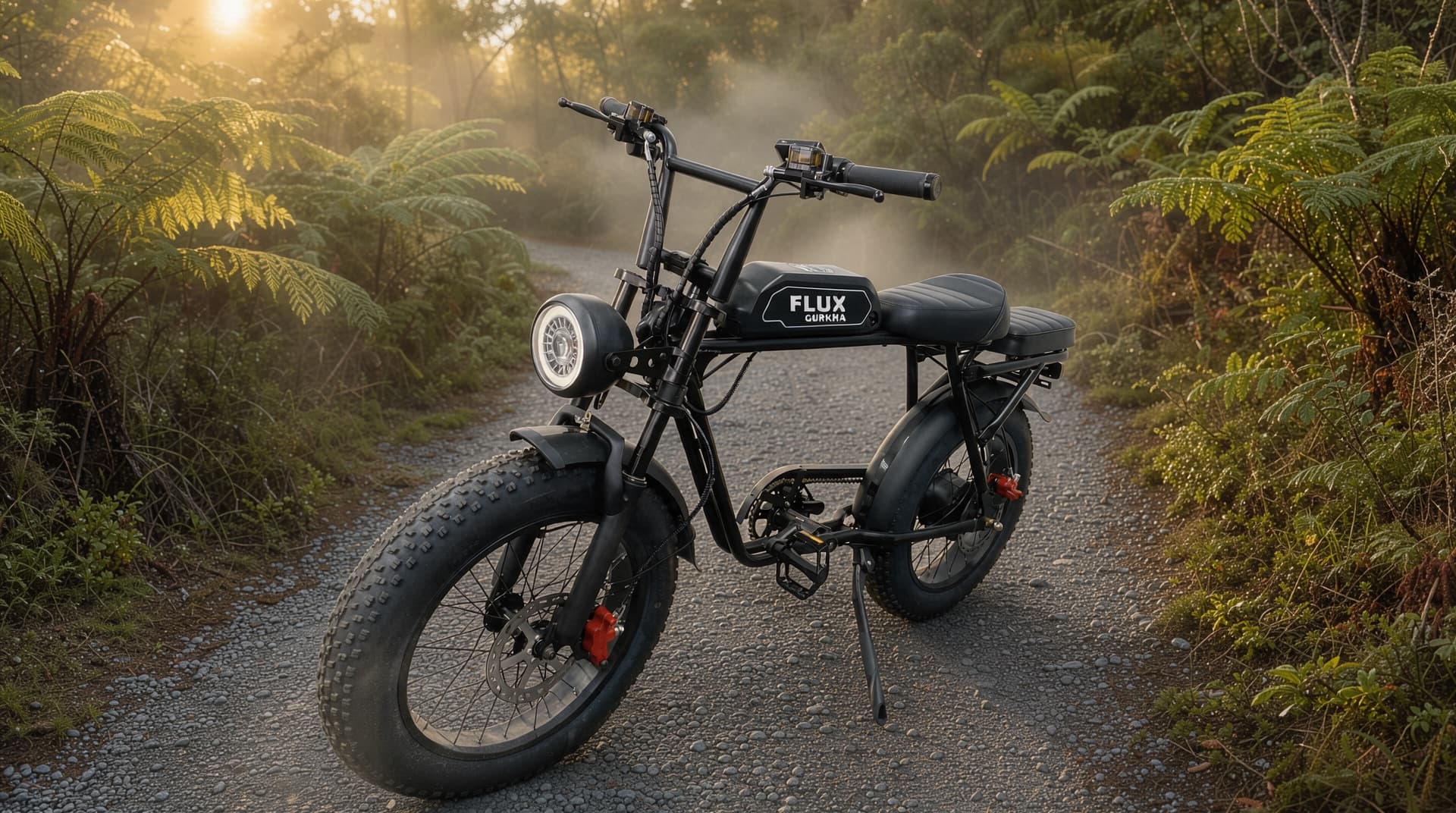
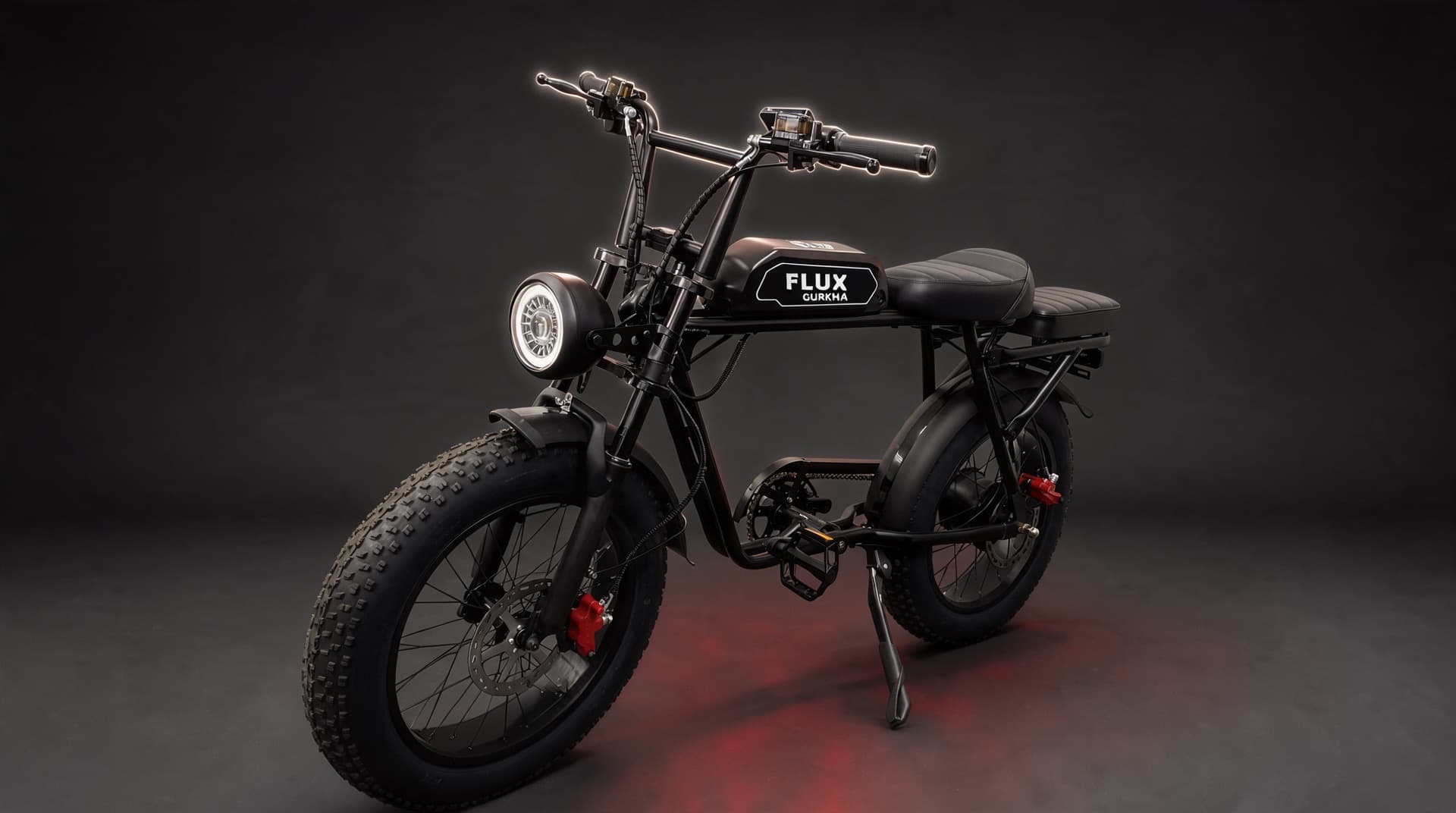
Gurkha has a 624Wh lithium-ion battery, and the Flux app over Bluetooth lets you monitor the battery and track rides. Flux hasn't yet published charger specifications or charging times, and will confirm full specifications before launch. The same rule will apply as for any e-bike: use the Flux-supplied charger. See the Gurkha page for current details.
Gurkha isn't on sale yet, and pricing starts from NZ$4,499. Join the waitlist to hear first when it's available.
Frequently asked questions
Can I use any e-bike charger with my battery?
No. Use only the charger supplied by the manufacturer for your battery. The voltage, connector and charge profile must match the battery's management system. Fire and Emergency NZ stresses charging lithium-ion batteries with the charger they're designed to work with.
How much does it cost to charge an e-bike in NZ?
At MBIE's 15 August 2026 national average of 42.1 cents per kWh, filling a 624Wh battery from empty takes about 26 cents of energy, or about 30 cents allowing roughly 15% for charging losses. Prices are lower in Wellington and Christchurch.
Is it safe to charge an e-bike overnight?
Fire and Emergency NZ advises against leaving lithium-ion batteries charging for long periods. Charge while you're home and awake, on a hard non-flammable surface with a working smoke alarm nearby, and unplug when it's full.
What should I do if my e-bike battery starts smoking?
Get everyone out and call 111. Only switch off the power if it is safe to do so. Lithium-ion battery fires can grow very quickly and are hard to put out.
What charger does Gurkha use?
Flux hasn't published Gurkha's charger specifications or charging time yet and will confirm full specifications before launch. Gurkha has a 624Wh lithium-ion battery, and you should use only the Flux-supplied charger.