Ebike Laws NZ: Power Limits, Helmets and Where You Can Ride (2026)
New Zealand's e-bike rules as at November 2026, including the 1 October footpath change and the 2026 power-declaration law, in one sourced table.
Flux Motors team9 min read
Most confusion about ebike laws NZ riders face comes from overseas content. Australian, UK and US rules talk about 250 W limits and 25 or 32 km/h cut-offs, but New Zealand works differently. This guide sets out the rules as they stand in November 2026, including the road rule changes that took effect on 1 October 2026, with every rule linked to the primary source so you can check it yourself.
Short answer: In New Zealand an e-bike is legally a cycle if its motors have a combined maximum power output of 300 W or less. You don't need a licence, rego or WoF. You must wear an approved helmet on the road, use lights at night, and stay off the footpath unless you are 12 or under, accompanying a child cyclist, or delivering mail. You can use cycle lanes, shared paths and roads.
This article is general information, not legal advice. Rules can change; if you are unsure about a specific bike or path, check with NZTA or your council.
Ebike laws NZ: rules at a glance
| Question | Rule for a power-assisted cycle (300 W or less) | Source |
|---|---|---|
| Power limit | Combined maximum power output not exceeding 300 W | Road User Rule, cl 1.6 |
| Motor vehicle? | No. Declared not to be a motor vehicle | NZ Gazette 2013-au4618 |
| Rego, WoF, licence | Not required | Follows from not being a motor vehicle |
| Helmet | Approved, securely fastened helmet on a road | Road User Rule, cl 11.8 |
| Lights | Headlamp, rear position lamp and reflector between sunset and sunrise or in poor light | Road User Rule, cl 11.12 |
| Footpath | Not allowed, except riders 12 and under, people accompanying them, and mail or newspaper delivery | Road User Rule, cl 11.11 (from 1 Oct 2026) |
| Shared path | Allowed where cycles may use it; ride carefully and at a speed that is not a hazard | Road User Rule, cl 11.1A |
| Cycle lane | Allowed | Road User Rule, cl 1.6 |
| Speed | No specific e-bike speed limit; posted road limits and hazard rules apply | Road User Rule |
| Minimum age | None set in the Road User Rule | Road User Rule |
What makes an e-bike legal in New Zealand?
The Land Transport (Road User) Rule 2004 says a cycle has at least two wheels, is designed primarily to be propelled by the rider's muscular energy by means of a crank, and includes a power-assisted cycle. A power-assisted cycle is a cycle with one or more auxiliary propulsion motors whose combined maximum power output does not exceed 300 W.
NZTA Waka Kotahi then used its power under section 168A of the Land Transport Act 1998 to declare electric power-assisted cycles of 300 W or less not to be motor vehicles. That declaration is why a legal e-bike sits outside rego, WoF and driver licensing.
Two practical consequences:
- It is power that counts, not top speed. NZ law does not use the European 25 km/h assist cut-off. A bike assisted to 25 km/h can still fall outside the definition if its motor output exceeds 300 W.
- "Designed primarily" to be pedalled matters. A bike with token pedals that is really meant to be ridden on the motor is not a cycle, whatever the listing calls it.
What changed in 2026, and what didn't
The Regulatory Systems (Transport) Amendment Act 2026 rewrote section 168A from 19 May 2026. NZTA can now declare vehicles with a maximum continuous power output up to 2,000 W not to be motor vehicles, after public consultation and with conditions. The Act also sets a formula for that rating: rated voltage multiplied by rated maximum current.
That is a power to make a new category, not the category itself. As at November 2026 we could not find an NZTA declaration that extends e-bike status beyond 300 W, and the Road User Rule definition still reads 300 W. Treat claims that "2,000 W e-bikes are now legal" with caution until NZTA publishes a declaration and its conditions. We will update this article if that happens.
Helmets
Clause 11.8 of the Road User Rule says you must not ride, or be carried on, a bicycle on a road unless you are wearing a securely fastened helmet that meets an approved standard, such as AS/NZS 2063 or EN 1078. NZTA's e-bike guidance applies the same expectation to e-bike riders. The rule allows written exemptions on grounds such as religious belief or physical disability. Remember that "road" in NZ law is broad and can include footpaths, so wear it whenever you ride in public.
Where you can ride
Roads
An e-bike rider has the same road rights and duties as any cyclist: keep left, obey signs and signals, and follow posted speed limits. From 1 October 2026, drivers must leave at least 1.5 metres when passing people who aren't in a motor vehicle, including cyclists (RNZ explainer; NZTA lane use rules).
Cycle lanes
A cycle lane is a strip of roadway reserved for cycles or e-scooters, and power-assisted cycles are cycles, so you can use them. From 1 October 2026, e-scooters can share cycle lanes too.
Shared paths
Clause 11.1A covers paths shared by pedestrians, cyclists and mobility device riders. You must ride carefully and considerately and not at a speed that is a hazard. If signs give pedestrians priority, you must give way to them. Councils can also restrict cycling on specific paths, so check local signs.
Footpaths
Under clause 11.11, as replaced on 1 October 2026, you must not ride a cycle on a footpath unless you are:
- aged 12 or under (a "child cyclist");
- accompanying a child cyclist on the footpath to support their safety; or
- delivering newspapers, mail or printed material to letterboxes.
Because "cycle" includes power-assisted cycles, this applies to e-bikes as well as pedal bikes. Anyone riding on a footpath under these exceptions must ride carefully, not at a hazardous speed, and give way to pedestrians and mobility device users (clause 11.1). Pedestrian groups such as Living Streets Aotearoa have criticised the change, so expect scrutiny of how it is used.
Trails and conservation land
Off-road access is set by the landowner, not the Road User Rule. Ngā Haerenga New Zealand Cycle Trails' e-bike policy (updated June 2024) welcomes 300 W power-assisted cycles on Great Rides but treats cycles operated by a throttle, and anything over 300 W, as mopeds or motorbikes. On DOC land, rules come from conservation management strategies and vary by region. RNZ reported in December 2025 that e-bikes are technically not permitted on the Timber Trail under the Waikato strategy, with DOC signalling reform. Check the specific track before you go.
Speed and age
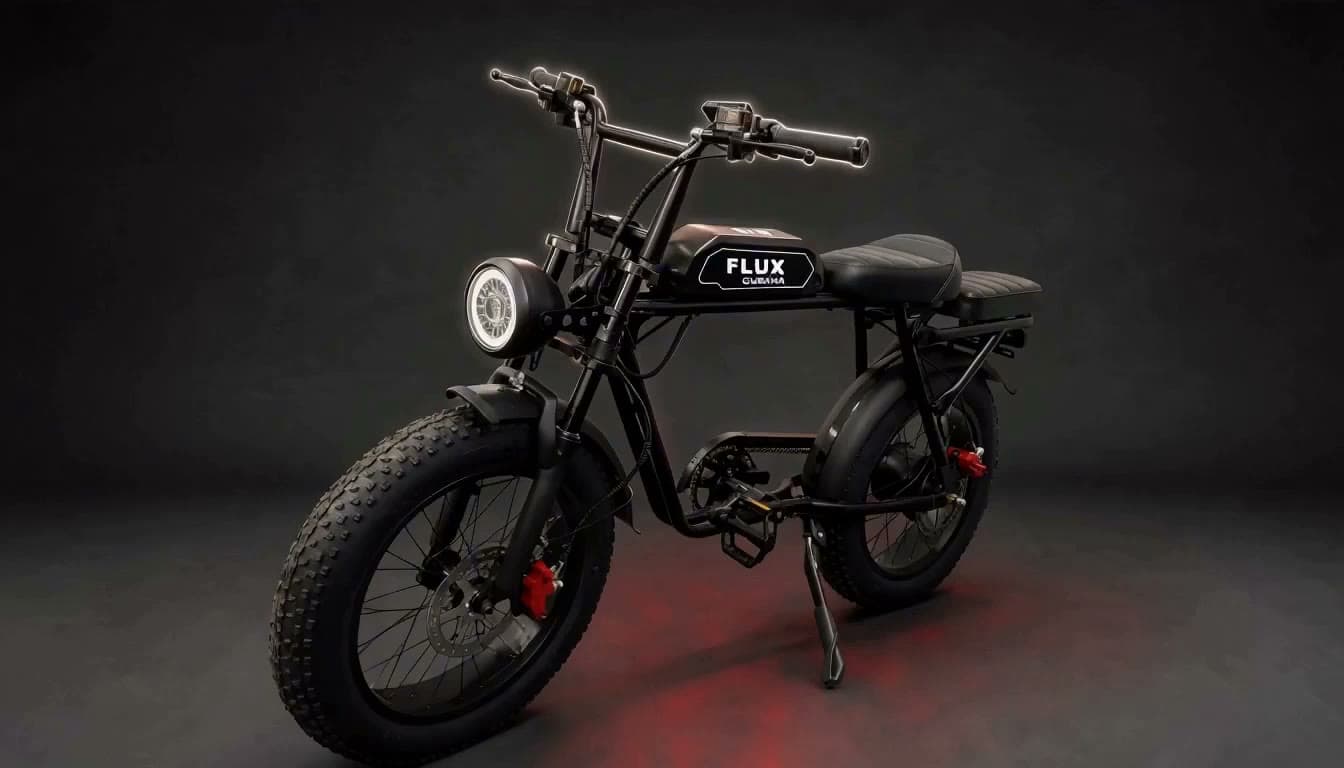
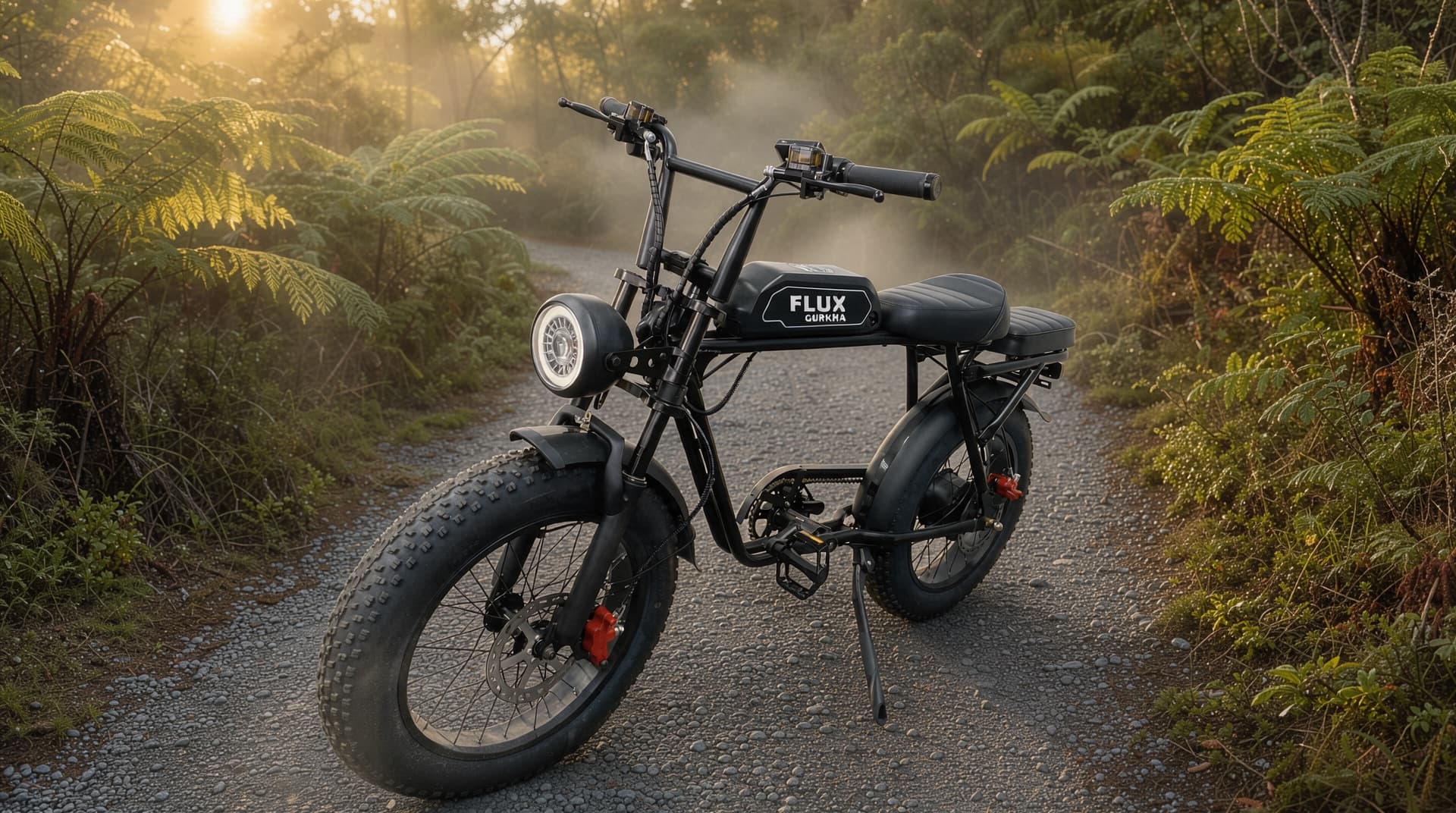
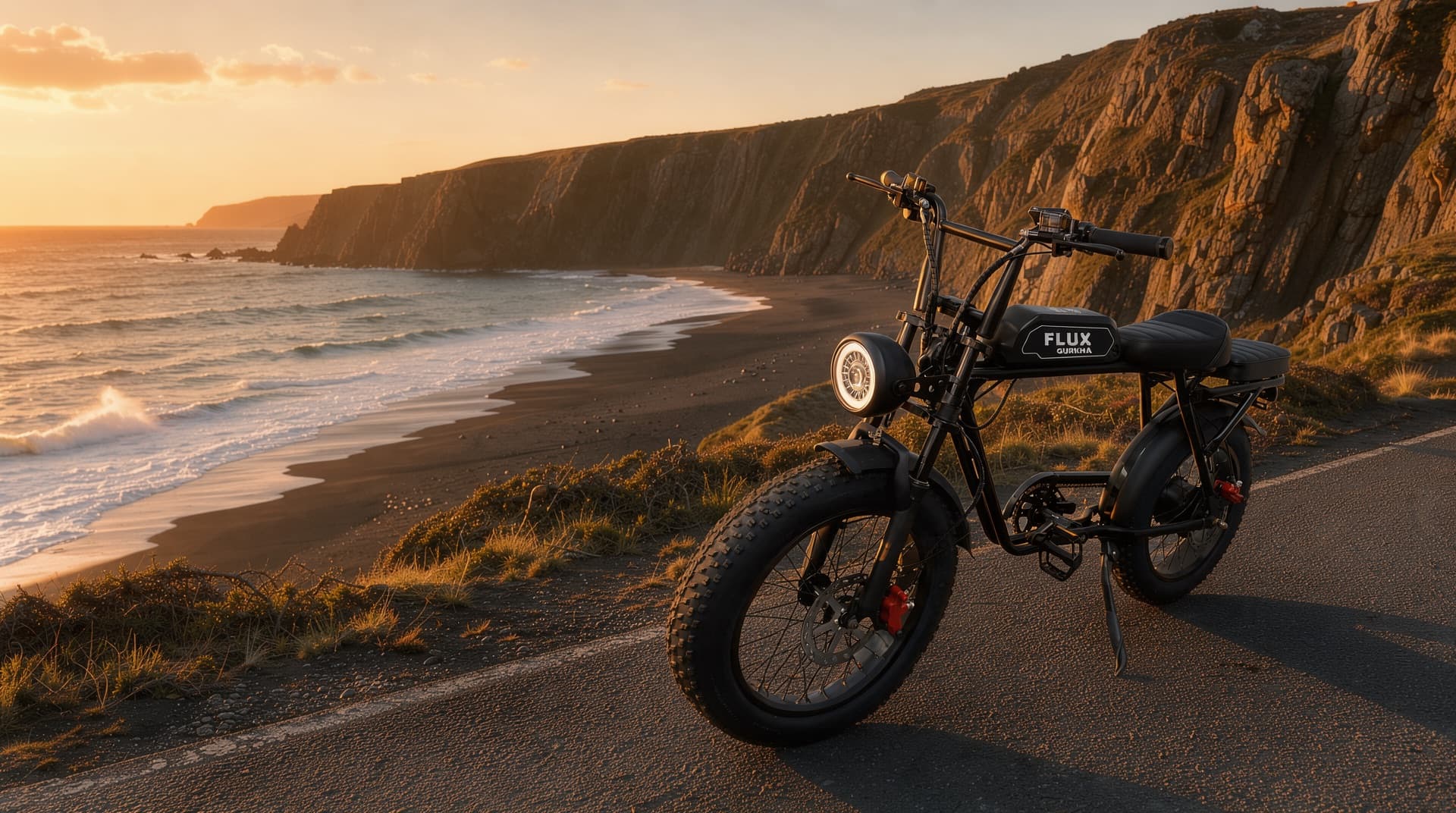
There is no separate speed limit for e-bikes. You follow the posted limit on roads, and on shared paths or permitted footpath riding you must not go at a speed that endangers others. Many e-bikes, including our Gurkha, cut motor assistance at 25 km/h, but that is a design choice rather than an NZ legal requirement.
The Road User Rule does not set a minimum age for riding a power-assisted cycle. That doesn't make a full-size e-bike right for every teenager: weight, braking and road sense matter more than the law's silence.
When an "e-bike" isn't legally an e-bike
This is the part of ebike laws NZ buyers most often get wrong. Police and councils are increasingly stopping high-powered machines marketed as e-bikes. The Bay of Plenty Times reported in November 2025 that Western Bay of Plenty Police were issuing fines and impounding bikes that needed registration, a licence and a WoF. Waitaki District Council has warned that adding pedals does not turn an e-motorbike into an e-bike.
A bike is likely to be a moped or motorcycle if:
- its motors exceed 300 W combined maximum output;
- it has no working pedals, or the pedals are not the primary means of propulsion; or
- it is really designed to be ridden on the motor alone.
We cover the consequences in electric dirt bikes and NZ law and electric moped vs e-bike. If you are unsure about throttles specifically, read e-bike with throttle: what NZ rules say.
A five-step compliance check before you buy
Most problems with ebike laws NZ riders run into start at the shop counter, so check these before you pay.
- Get the motor's rated maximum power output from the seller in writing.
- Confirm the bike has working pedals and is designed to be pedalled.
- Ask whether any throttle or "boost" mode is fitted, and how it works.
- Check that no "unlocked" or "off-road mode" exceeds the 300 W definition.
- Budget for an approved helmet and proper lights.
Flux will confirm the Gurkha's full specifications, including the details that matter for legal classification, before launch. For a wider look at choosing a bike, see our e-bike NZ buyer's guide.
Stay in the loop
If you'd like to know exactly how the Gurkha is specified before you commit, join the waitlist. We'll share full specs, pricing and delivery dates with waitlist members first.
Frequently asked questions
Can I ride an e-bike on the footpath in NZ?
Generally no. Since 1 October 2026 the exceptions are riders aged 12 and under, people accompanying a child cyclist to support their safety, and people delivering mail or newspapers. Anyone riding on a footpath must ride carefully and give way to pedestrians.
Do you have to wear a helmet on an e-bike in NZ?
Yes, on a road you must wear a securely fastened helmet that meets an approved standard such as AS/NZS 2063 or EN 1078. Written exemptions are possible on grounds such as religious belief or physical disability.
Is there a speed limit for e-bikes in New Zealand?
There is no separate e-bike speed limit. NZ law limits motor power to 300 W rather than assisted speed. You must follow posted road limits and must not ride at a speed that is a hazard on shared paths or footpaths.
Is there a minimum age to ride an e-bike in NZ?
The Road User Rule does not set a minimum age for riding a power-assisted cycle. Size, weight, braking ability and road sense are still worth weighing for younger riders.
Are e-bikes over 300 W legal in NZ?
Not as e-bikes. Above 300 W combined output they are generally motor vehicles, such as mopeds or motorcycles, needing rego and a licence. A 2026 law lets NZTA declare vehicles up to 2,000 W not to be motor vehicles, but we found no such e-bike declaration as at November 2026.